Striveworks
Assignment
Striveworks – Wireframing a Concept for an ML Training Platform
Overview
Striveworks is a B2B machine learning operations platform designed for data scientists and ML engineers to manage, train, and deploy machine learning models at scale. I was tasked with leading the UX concept development for a new ML training system within the platform. This effort focused on creating wireframes that explored how to improve the experience of configuring, running, and monitoring model training workflows.
Challenge
Machine learning training is a foundational component of artificial
intelligence, where algorithms learn from large datasets to make
predictions or decisions. Within platforms like Striveworks, users must
manage complex tasks such as configuring training jobs, tuning
hyperparameters, selecting datasets, and evaluating model performance
metrics (e.g., accuracy, loss, and drift).
These technical workflows are intricate and high-stakes. For
data
scientists and engineers, usability challenges in this space can
directly affect productivity, model quality, and time to deployment.
UX Goals
- Simplify setup and monitoring of ML training jobs
- Support technical depth without overwhelming the user
- Improve clarity of data and feedback through effective visual hierarchy
- Ensure flexibility and scalability through modular design patterns
Wireframing the Concept
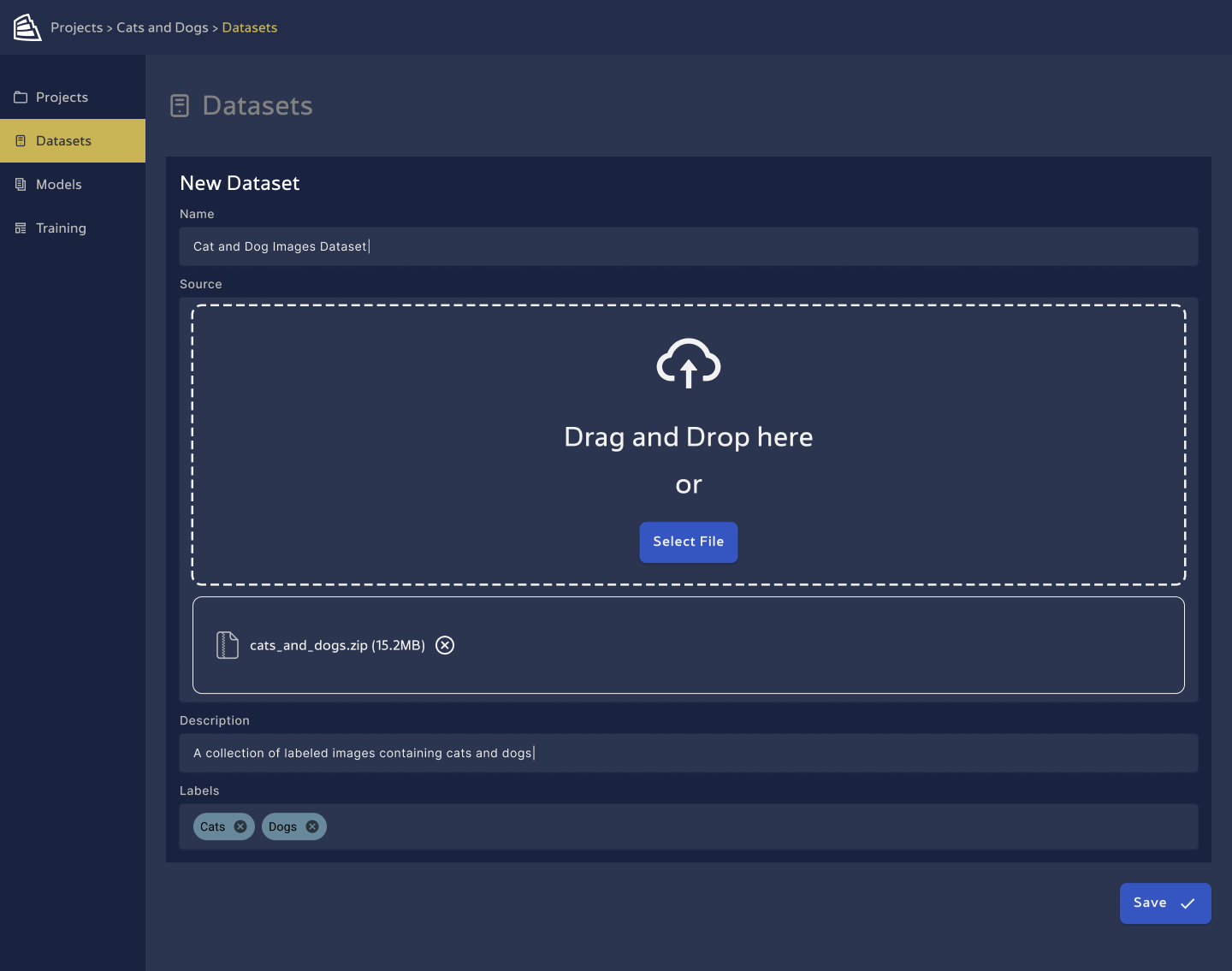
Using Figma, I developed a series of low-fidelity wireframes focused on key interaction flows:
- Initiating a training job: selecting a dataset, configuring parameters, launching experiments
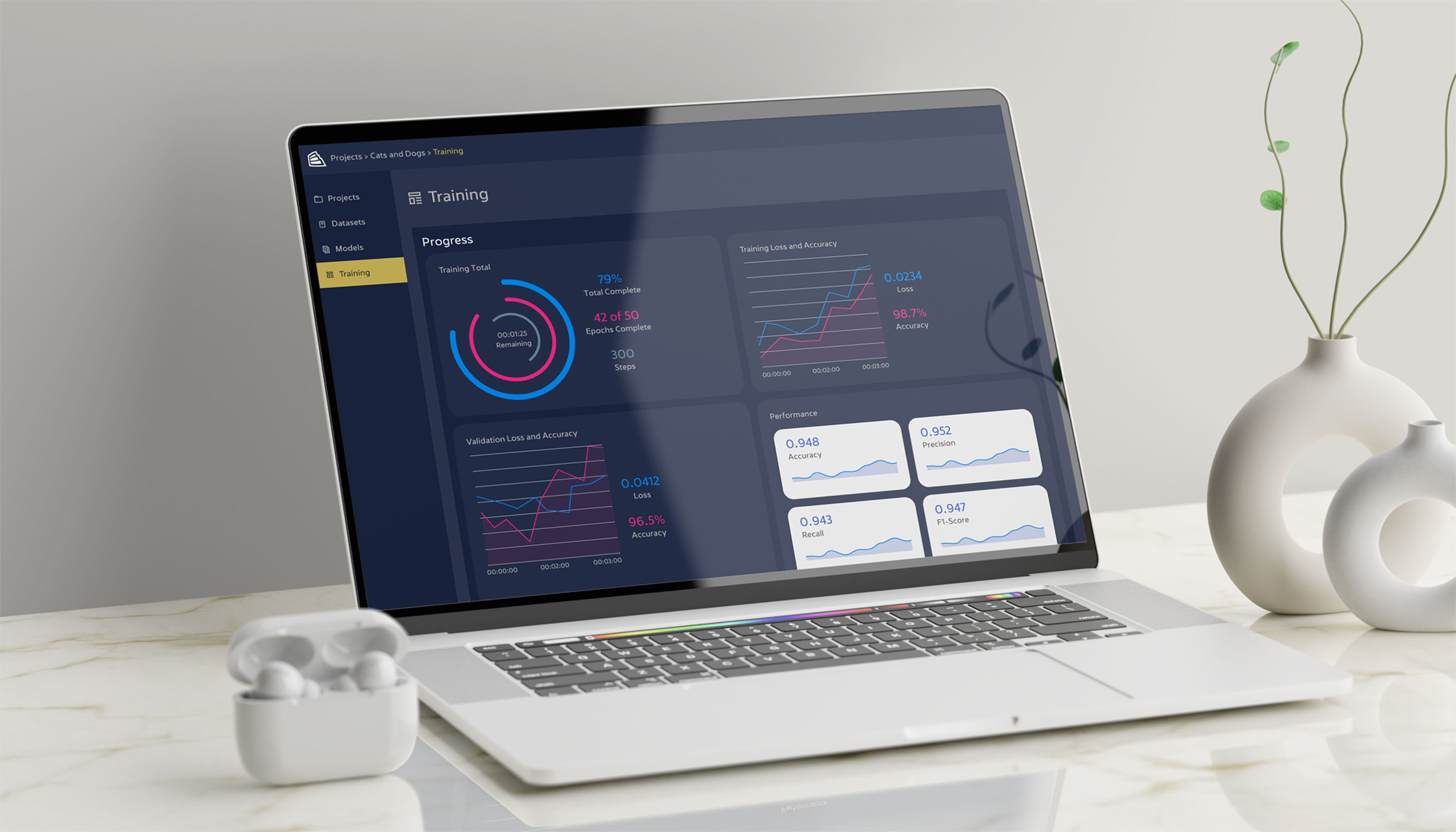
- Monitoring progress: real-time updates on training status, with performance charts and logs
- Exploring results: comparing model versions and visualizing key metrics like loss curves and accuracy
Throughout the wireframes, I applied:
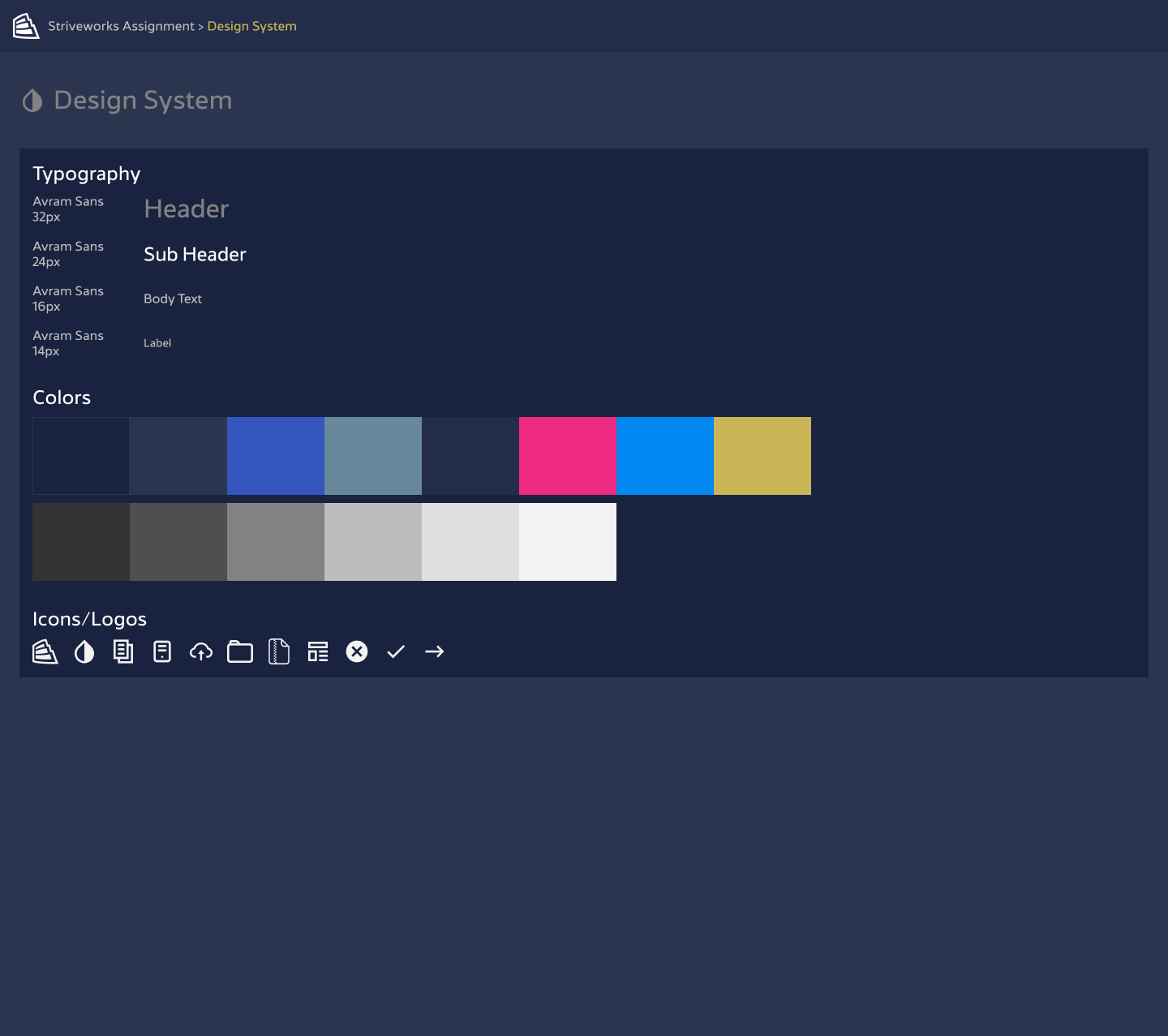
- Design system principles to maintain consistency and accelerate scaling
- Usability heuristics to ensure learnability and reduce friction
- Data visualization best practices for clarity in metric-heavy screens


Feedback & Iteration
I shared early concepts with internal stakeholders and engineers to validate assumptions and gather input. Feedback helped refine:
- Layout structure for more intuitive scanning
- Labeling and terminology tailored to user mental models
- Interaction patterns for adjusting parameters and launching jobs
These iterations helped ensure that even in concept form, the wireframes reflected real-world use and technical expectations.


Outcome
This wireframing exercise delivered a clear UX direction for a machine learning training module—prioritizing usability without compromising the complexity required by expert users. While the work remained at the conceptual stage, it provided a blueprint for how Striveworks could streamline their ML training experience and better support their technical audience.
Key Takeaways
- Clarity is critical in high-complexity technical platforms—especially when users are balancing experimentation with performance goals.
- Modular, scalable wireframes help bridge the gap between UX vision and engineering execution.
- Early concept validation ensures alignment before high-fidelity design or development begins.